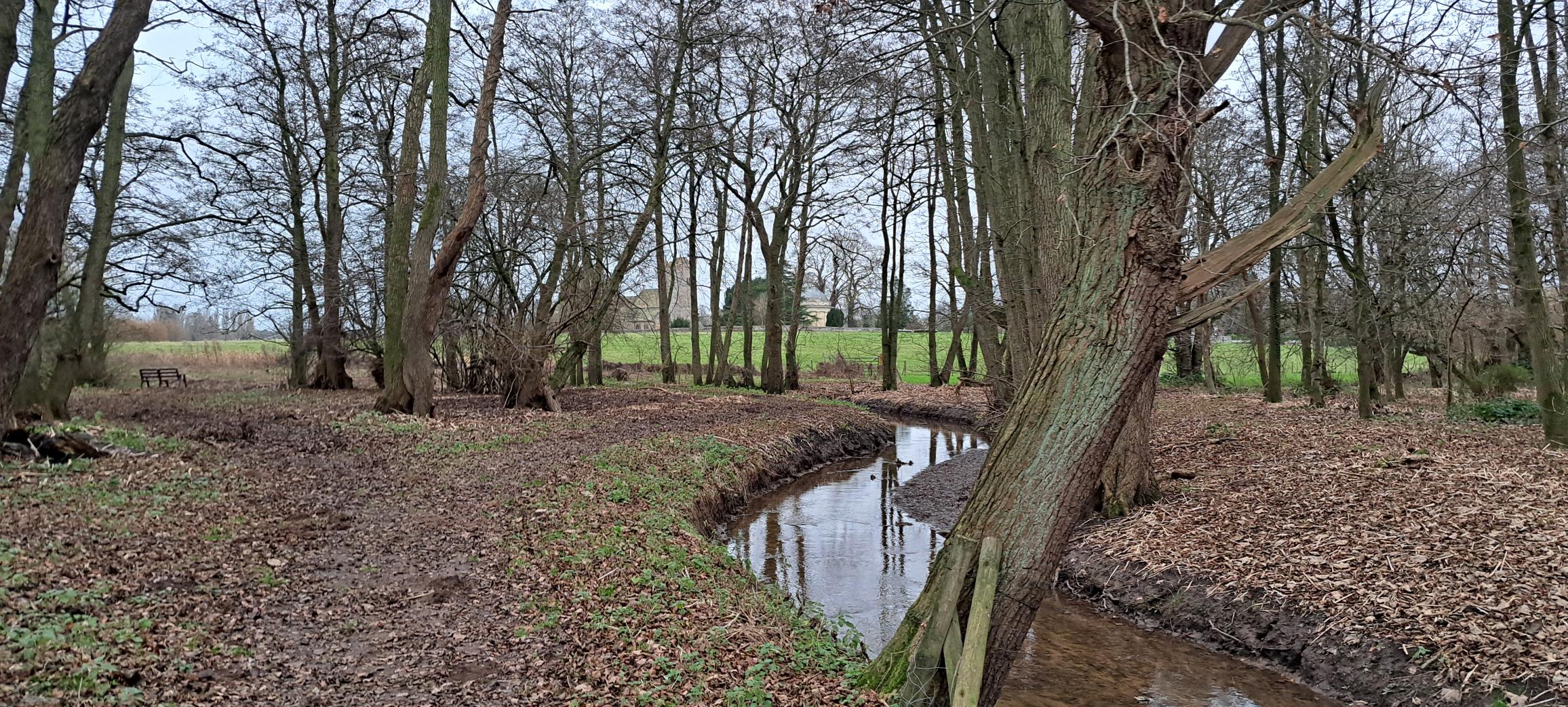
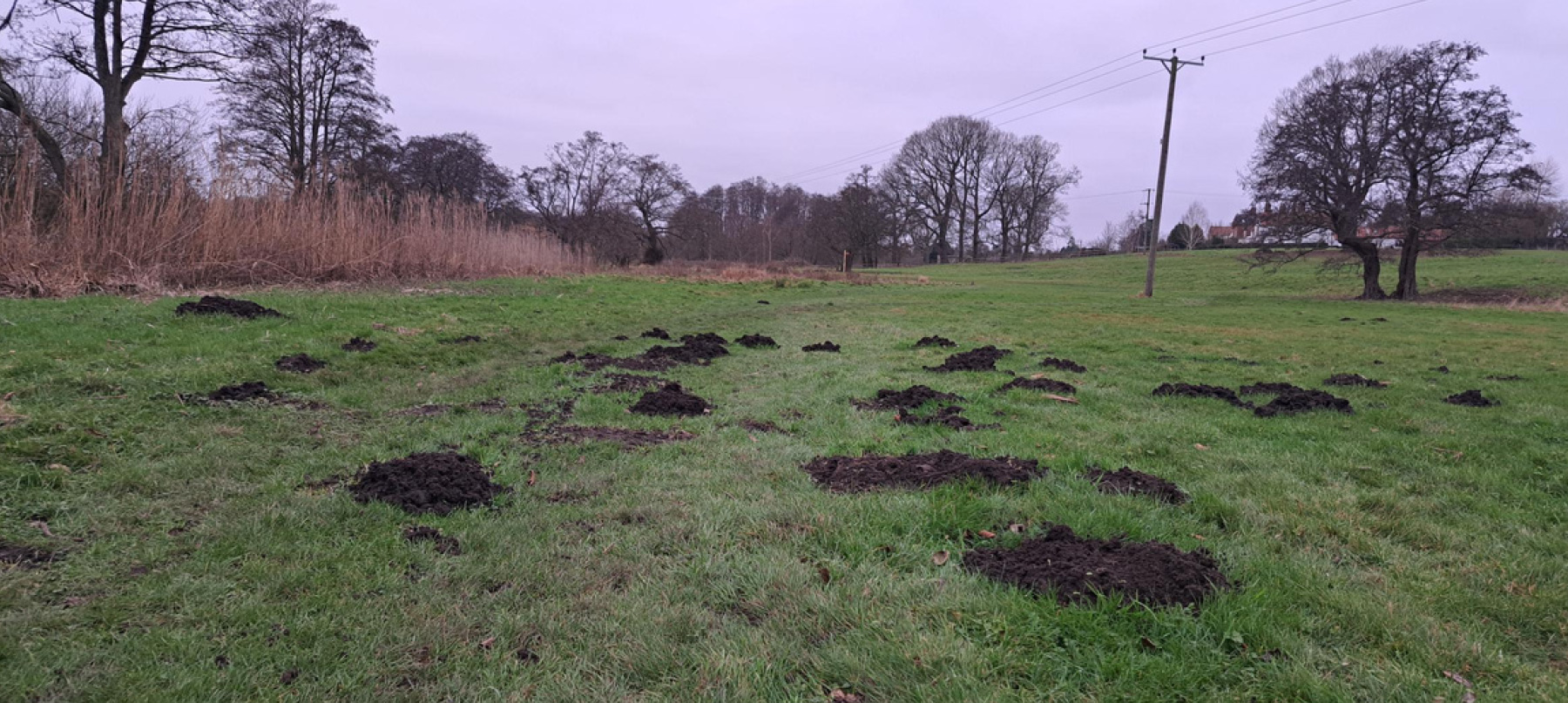
You may have come across a few areas where moles have been busy in Townend Field, including some patches over our permissive footpaths! During the summer ‘Garden Festival’ event, Sam Shipman, Head Gardener at Beningbrough Hall, spotted our molehills and described them as a brilliant sign, encouraging us to be delighted by the help moles provide. Moles are a natural and important part of the reserve’s ecosystem, and their presence is a sign of healthy soil. In agriculture, moles are considered pests in large numbers for their potential to impact crop yields and contaminate silage. Our main objective at Townend Field is to protect and support nature, and that includes moles – not only as wildlife themselves, but also for what they can do to support nature and help keep the nature reserve a healthy, thriving place!
What Do Moles Do for Nature?
The European mole (Talpa europaea) plays a vital role underground, quietly improving the land we all enjoy. Moles help the reserve by:
- Aerating the soil, allowing air and water to reach plant roots
- Improving drainage, reducing waterlogging in wet conditions
- Mixing nutrients through the soil, which supports grasses and wildflowers
- Controlling invertebrate populations, as they feed mainly on earthworms and insect larvae
- The tunnels they create are also later used by other wildlife such as beetles, frogs and small mammals.
Molehills and Footpaths
Molehills can occasionally appear on or near paths. While this may cause minor inconvenience, it’s important to remember that:
- Molehills are temporary and quickly weather down
- The soil brought to the surface is rich and helps plants grow
- Moles are simply following food sources underground, not trying to damage paths
Where needed, paths are maintained — but moles themselves are left undisturbed.
At Townend Field Nature Reserve, we choose to work with nature, not against it. Moles are part of a balanced ecosystem that benefits plants, insects, birds and mammals alike.
Next time you spot a molehill, think of it as a small sign of life beneath your feet — and another reminder that the reserve is a place where nature always comes first.
Mole Myth-Busting
Moles are often misunderstood. Here are a few common myths:
- “Moles eat plant roots”
❌ False — moles are insectivores and do not eat roots or bulbs - “Moles ruin the land”
❌ False — their tunnelling actually improves soil health - “Moles should be removed or killed”
❌ Not necessary — moles are a vital part of the natural ecosystem and rarely cause long-term damage